
Developer:in Environmental data - Giving rivers a voice (Nala project) open source
wilde-natur.org gGmbH
- Climate & Nature Protection
- IT
About the volunteering opportunity
With the "Nala" project, we are developing a system that makes visible how rivers are really doing. With the help of sensors, environmental data and AI, we detect critical conditions at an early stage and enable concrete measures for water protection.
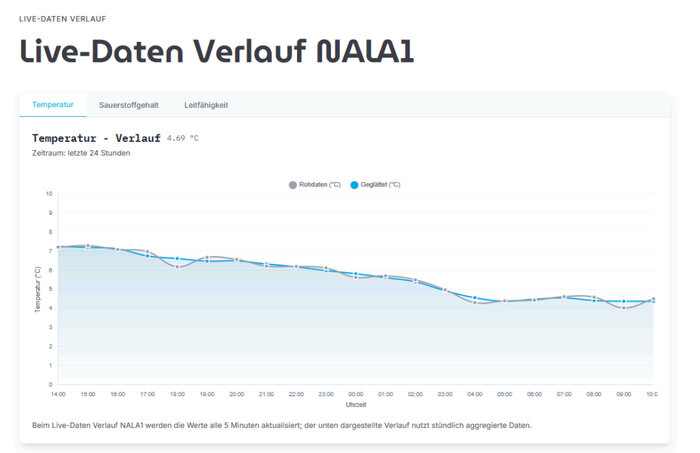
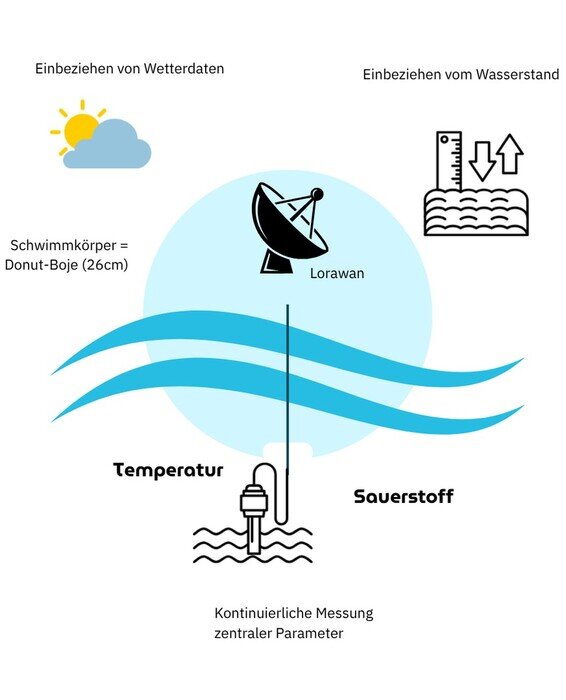
Our sensors measure temperature, oxygen and other environmental parameters in real time. This data is processed, analyzed and made usable for water management applications.
We are looking for support in the area of data processing and technical development for further development.
Your Tasks
Support in the processing and evaluation of environmental data
working with sensor data (e.g. temperature, oxygen, pH value)
further development of data structures and interfaces
collaboration on the integration of sensors and data systems
support in the standardization and quality assurance of data
optional: collaboration on visualizations or applications
What's needed
For this volunteering opportunity, intermediate German skills are required.
- Interest in the environment, data or technical systems
- initial experience in programming, data processing or IoT is an advantage
- structured and independent way of working
- interest in working with real environmental data
- willingness to familiarize yourself with new topics
Time required
Regularly
Discussed individually
the time required is approx. 3-6 hours per week and can be divided up flexibly. Individual technical tasks can also be completed on a project basis.
Important notice
We work with real sensor data from an ongoing project. It is therefore important to work cleanly and comprehensibly.
You don't have to be a professional - what's more important is interest, technical understanding and a willingness to develop solutions together.
Location
This project is location independent.
wilde-natur.org gGmbH
We are a non-profit organization that gives rivers a voice. With sensor technology, AI and a growing network of people on the ground, we make visible how our waters are doing - and work together to bring them back into balance.