
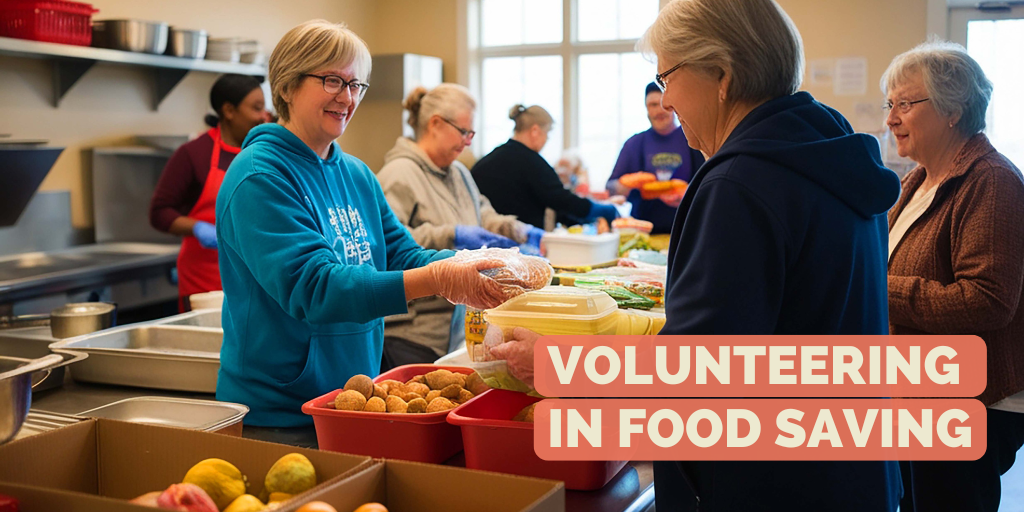
Volunteering in food saving: what you can expect
Although millions of tons of still-edible food end up in the trash every year in Germany, many people struggle to afford enough food. This is precisely where food saving organizations come in. They collect surplus food, draw attention to waste and ensure that edible products are used instead of being thrown away.
In this article, you will find out why food waste is such a major social and ecological problem, what organizations and volunteers are doing about it and how you can take action yourself.
Contents:
1. The situation of food saving in Germany
How much food is thrown away in Germany?
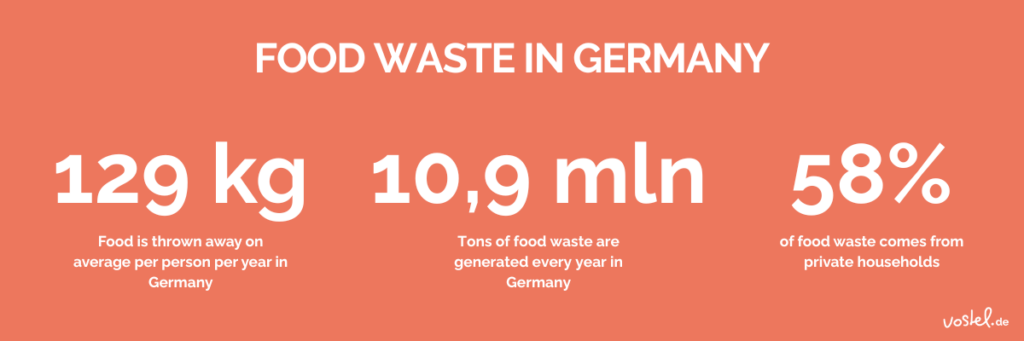
Around 10.9 million tons of food waste are produced in Germany every year. That’s an average of 129 kilograms of food per capita that ends up in the bin every year. Private households account for the largest share of this at around 58 percent. Food processing accounts for around 17 percent, the food service industry for around 16 percent and the retail sector for around 6 percent. These are often products that would still be perfectly edible (see Federal Environment Agency report on food waste).
At the same time, many people in Germany are dependent on support. Around 1.5 million people use the food banks every month because their income is not sufficient to provide for themselves (see facts about food bank customers). The enormous amount of food that is thrown away is therefore in stark contrast to the real need of many people.
Why does good food end up in the bin?
There are many reasons for this. Many people buy too much, store food incorrectly or throw away products due to misunderstandings about best-before dates. Supermarkets and restaurants also have surpluses, for example because products are no longer visually perfect or more has been bought than is actually needed.
What are the consequences of waste for the environment and climate?
Resources were previously consumed for every foodstuff produced. These include water, agricultural land, transportation routes and energy. When food is thrown away, all these resources are lost. At the same time, additional CO2 emissions are produced, which have a negative impact on the climate. Food waste is therefore not only an economic and social problem, but also an ecological and climate problem.
2. How organizations and volunteers organize food saving
What non-profit organizations do
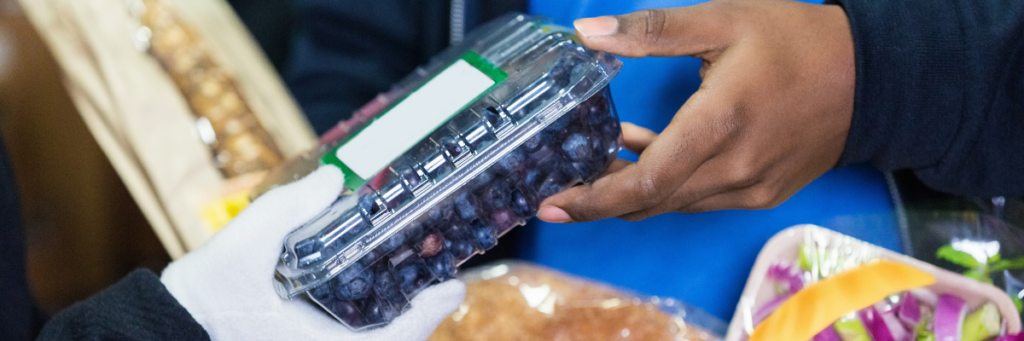
Non-profit organizations are key players in the fight against food waste. Initiatives such as foodsharing, Tafel food banks and local food rescue groups work every day to save surplus food from going to waste. They cooperate with supermarkets, bakeries, weekly markets and restaurants to collect food that can no longer be sold but is still edible.
Foodsharing operates numerous so-called Fairteiler stations where food can be collected (here is a map with the Fairteiler stations in Germany) and the Tafel food banks distribute rescued food to people in many German cities. Organizations also run workshops and campaigns on sustainable consumption, raising awareness of how valuable food is and how collective action can counteract waste.
How volunteers are involved
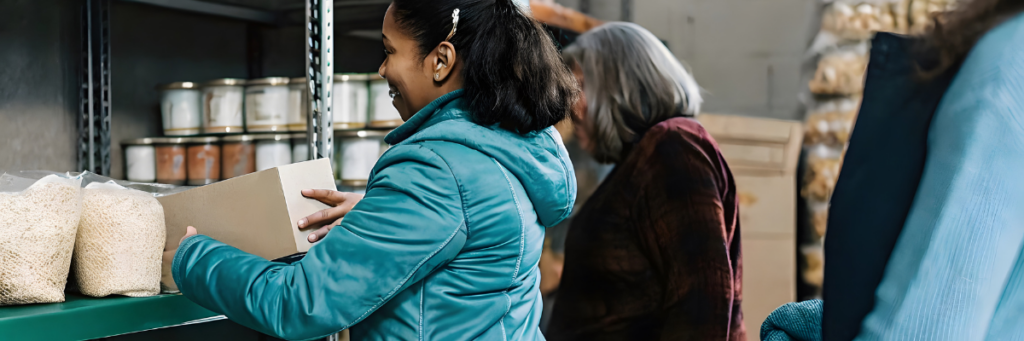
Volunteers are the foundation of this work. They take on collection appointments, sort donated food, organize its distribution or look after local distribution points. Some provide additional support through public relations work, workshops or social media activities.
Through their support, they enable food to be delivered quickly and reliably to where it can still be used and consumed. At the same time, they help to raise awareness of sustainability and resource conservation in society.
Typical fields of activity for food saving volunteers
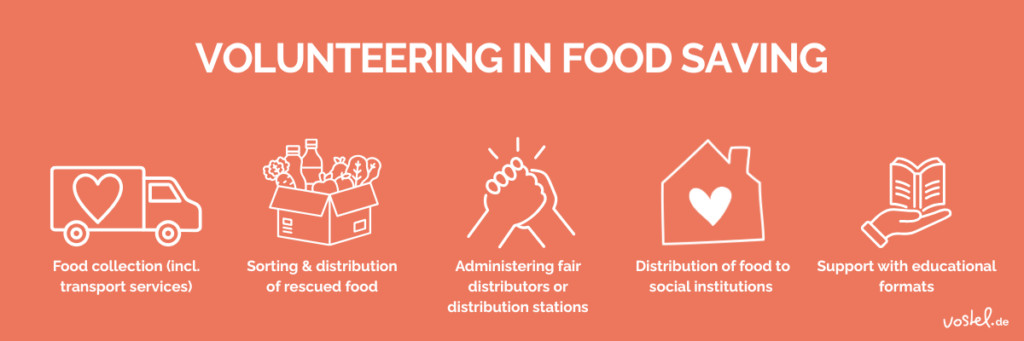
There are many opportunities to volunteer in food saving. The most common include:
- Collecting food from partner businesses (incl. transport services)
- Sorting and passing on the rescued products
- Administering fair distribution or distribution stations
- Passing on food to social institutions
- Support educational formats or information events
These diverse tasks show how practical and effective volunteering in this area can be. Every effort makes a direct contribution to saving food, conserving resources and supporting people who are dependent on affordable food.
3. What you should look out for when volunteering in food saving
Reliability and good communication
Food rescue only works if collections and distributions take place reliably. Many businesses schedule fixed times and rely on volunteers to arrive on time and process the food properly. If you are unable to keep an appointment, it is important to let them know in good time. Clear communication helps everyone involved and ensures that food is not left lying around unnecessarily.
Careful handling of food
Rescued food is usually still good to eat, but needs special attention. This includes sorting it hygienically, storing it correctly and only passing on products that you would still eat yourself. Many organizations offer an introduction and explain how to check food or transport it refrigerated. This ensures that the food is passed on safely and responsibly.
Respectful contact with partner companies
Bakeries, supermarkets and restaurants voluntarily decide to provide food. Appreciative cooperation is therefore particularly important. This includes a calm and respectful handover, adherence to agreed procedures and friendly contact with employees. Positive cooperation ensures that partnerships remain in place and that other businesses join in.
Flexibility for different situations
No two food saving operations are the same. The amount of food rescued can vary greatly. Encounters with people can also be very different. Openness, patience and a positive attitude help you to react flexibly and cope well with different situations.
Protecting your own boundaries
Food saving can be physically demanding, for example when carrying boxes or sorting large quantities. It’s perfectly okay to take breaks or hand over tasks. Be open about what you can do. Organizations want volunteers to stay for the long term, and this works best if you feel comfortable.
4. Find your volunteer position in food saving on vostel.de
If you would like to volunteer in food saving, you will find many suitable opportunities on vostel.de. These include collecting and sorting surplus food, supporting Fairteiler, helping out at food banks or assisting with educational programs on sustainability.
Take a look around the platform, discover projects in your area and find the commitment that suits you.
FAQ – Frequently asked questions about volunteering in food saving
Can I participate without any previous experience?
Yes, most organizations are happy to welcome people who just want to get started. You will receive a brief introduction and learn step by step how collections, sorting and distribution work. Above all, it is important that you are reliable and enjoy helping out in a practical way.
How much time should I plan for a commitment?
This varies from project to project. Some assignments only last an hour and can be easily integrated into everyday life. Others take place regularly and offer you the opportunity to become part of a team in the long term. On vostel.de, you can see exactly how much time you should plan for each project.
What happens to the rescued food?
The food usually goes to social institutions, fair distributors or directly to people who are happy to receive the support. Many projects work with very short distances so that the food is passed on quickly. This means you can directly experience how the food is put to good use.
How safe is it to handle rescued food?
You will receive clear instructions on what to look out for. For example, many organizations explain how to check food for edibility, how refrigeration works and what should be sorted. This way, you can ensure that everything is passed on responsibly and that the food arrives in good quality.
Can I also help spontaneously?
Yes, some projects offer flexible assignments where you can sign up at short notice. This is ideal for people who have irregular time or want to try out whether food rescue suits them first.
What tasks do I typically take on?
The most common tasks include collecting and sorting food and assisting with distribution. Some projects are also looking for people for public relations work, educational offers or support for Fairteilers. You can therefore choose which field of activity suits you best.
Can I also volunteer together with friends?
This is often possible. Many organizations are happy to have small teams because it is easier to collect or sort items together. In the project descriptions, you will find information on whether joint assignments are desirable.
Discover more articles from our series #VolunteeringExplained
Your vostel.de team wishes you lots of fun with your voluntary work in food saving!





No Comments yet!